English
 German
 Hungarian
 Dutch
Dutch
 Spanish
 French
 Italian
 Czech
Czech
 Polish
 Greek
Greek
Almost every Bitcoin that is mined today is mined through a pool. This guide explains what a Bitcoin mining pool is, who the largest pools are, how the payout methods differ, what the fees really cost and how to join a pool with your own miner.
What a Bitcoin mining pool is
A Bitcoin mining pool is a server that many miners work for at the same time. Each miner keeps its own hardware and electricity bill. The pool hands out the work, collects the results and pays every member a part of the blocks the group finds.
The reason is variance. The Bitcoin network finds one block about every ten minutes, and the chance that your machine is the one that finds it equals your part of the whole network hashrate. For a single modern ASIC that means one block in many years, on average, with no guarantee at all.
A pool does not change those odds. It adds up the hashrate of thousands of machines so that the group finds blocks every day, and then it divides the reward. You trade a tiny chance of a very large payout for a small payout that arrives every day.
A pool does not make mining more profitable. It makes it predictable.
How a pool turns hashrate into payouts
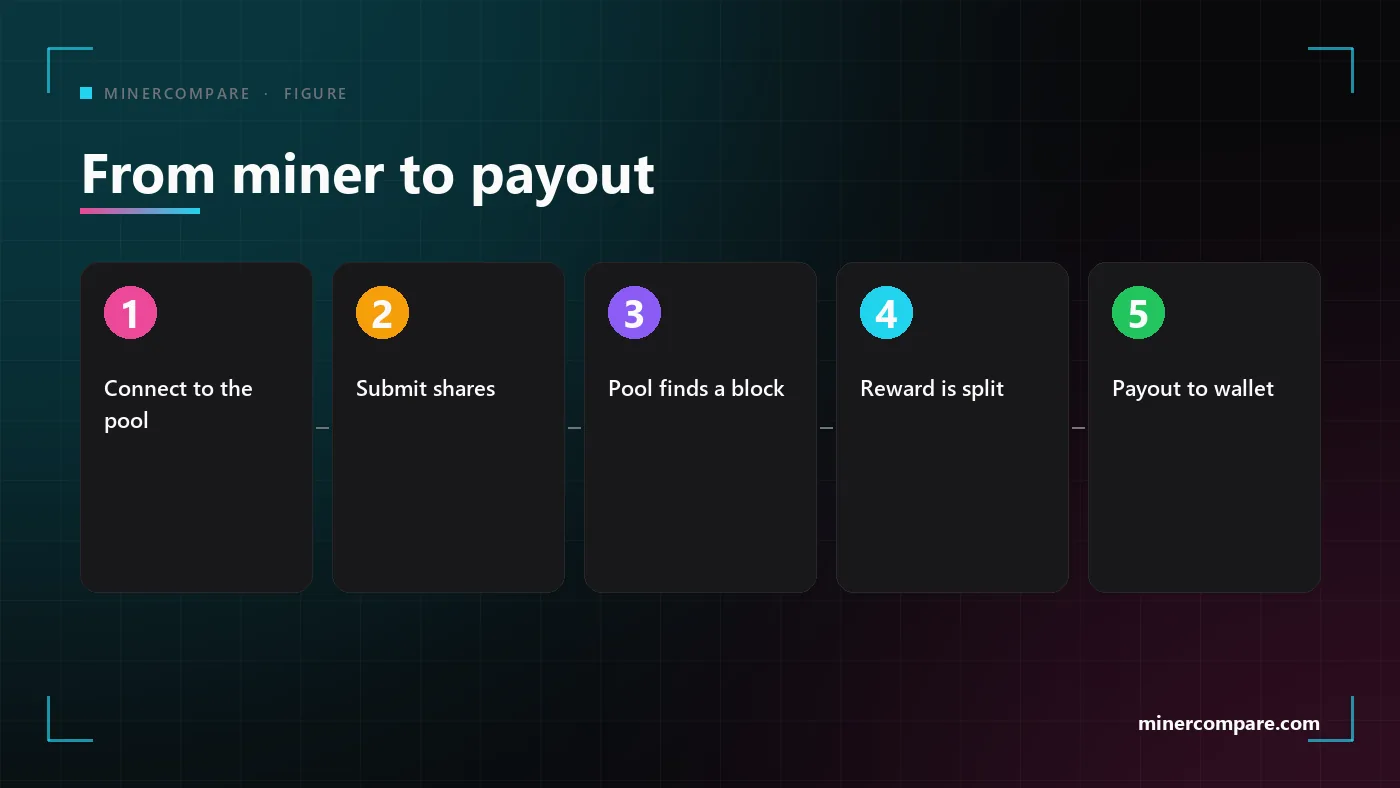
Your miner talks to the pool over a protocol called stratum. The pool builds a block template, sends every connected miner its own slice of the search and waits for answers. Your miner never needs a copy of the blockchain.
The pool cannot see how fast your machine hashes, so it measures it. It sets an easier target than the real network difficulty, and every hash that meets this easier target is sent back as a share. Shares are worthless to the network, but they prove how much work you did.
Now and then one of those shares also meets the real network difficulty. That share is a block. The pool broadcasts it, collects the block subsidy and the transaction fees, and credits the members according to its payout method.
The largest Bitcoin mining pools
Bitcoin mining is concentrated in a small number of pools. Foundry USA, AntPool and F2Pool are the three largest, and together they account for more than half of the hashrate of the network. ViaBTC, SpiderPool, MARA Pool, Binance Pool and Luxor follow.
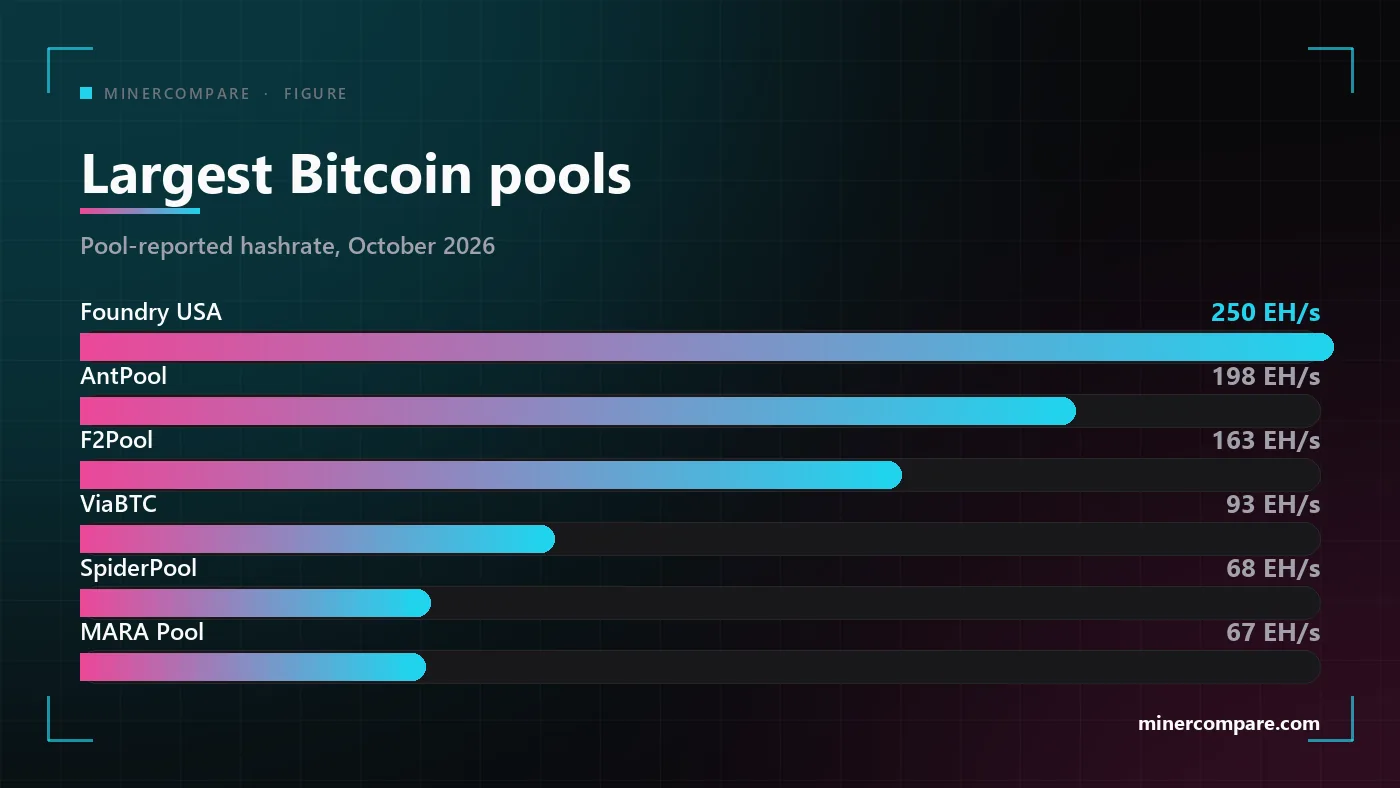
Size tells you who finds the blocks, not who pays best. Some of the largest pools serve mostly industrial farms, MARA Pool mines for its own company, and a pool like Braiins or OCEAN is far smaller but well known among home miners.
The table below is read from our pool data every time this page loads, so the order, the payout methods and the fees stay current.
| # | Pool | Payout Methods and Fees | Minimum Payout |
|---|---|---|---|
| 1 | Foundry USA | FPPS | 0.01 BTC |
| 2 | AntPool | PPLNS 2% · FPPS 4% | 0.005 BTC |
| 3 | F2Pool | FPPS 4% · PPLNS 2% | 0.005 BTC |
| 4 | ViaBTC | PPS+ 4% · PPLNS 2% | 0.001 BTC |
| 5 | SpiderPool | PPLNS 1% · FPPS 4% | 0.005 BTC |
| 6 | MARA Pool | — | — |
| 7 | BinancePool | FPPS 4% | — |
| 8 | Luxor | FPPS 2.5% | 0.001 BTC |
| 9 | SECPOOL | PPLNS 0% · FPPS 4% | — |
| 10 | EMCD | FPPS+ 4% | — |
| 11 | OCEAN | TIDES 0% | — |
| 12 | NeoPool | FPPS | 0.001 BTC |
Ranked by pool hashrate. Fees and payout methods are reported by the pools.
Every pool we list, for every coin, with its payout methods, fees and minimum payout. Filter by coin or search by name.
Compare all mining poolsFPPS, PPS+, PPLNS and solo compared
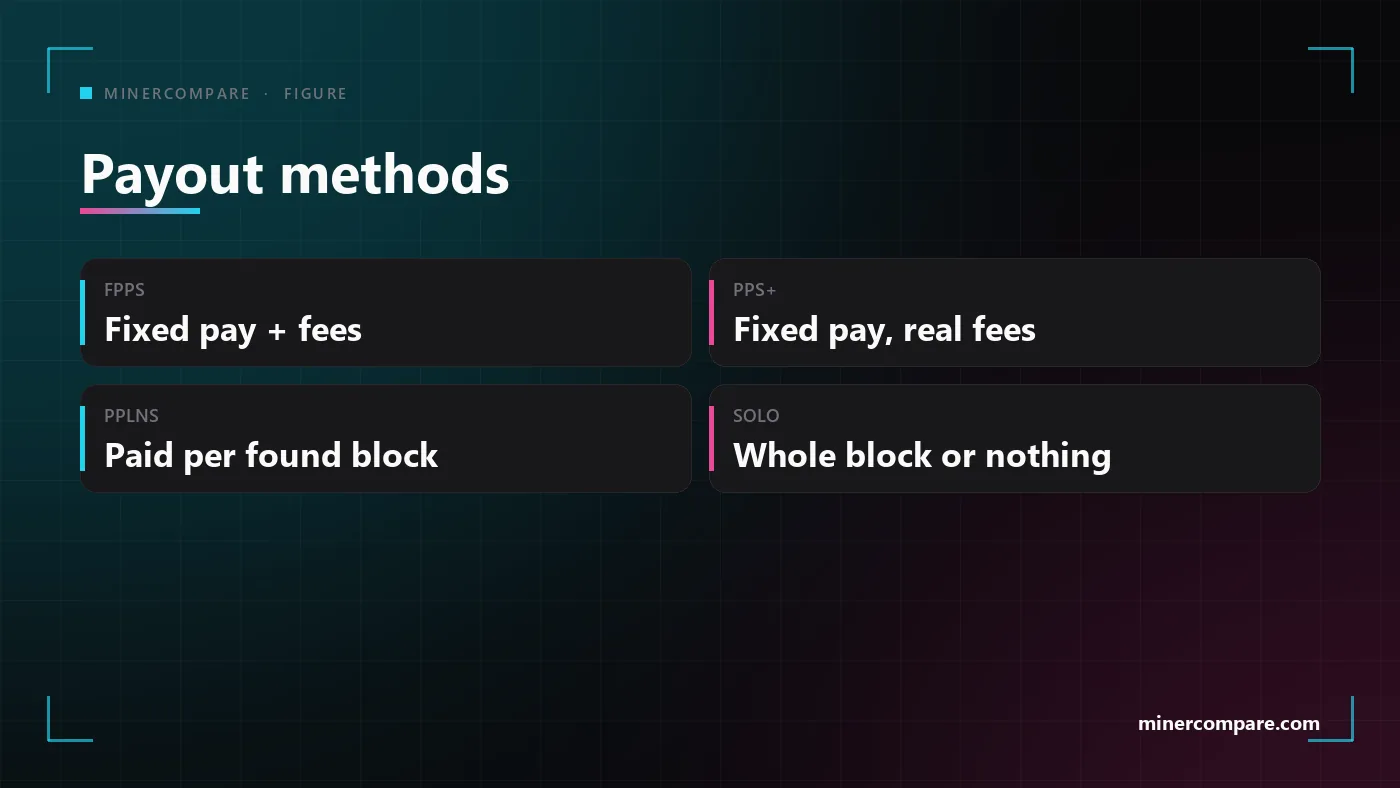
The payout method decides who carries the luck: you or the pool. Every method pays the same over a long enough time, before fees. What changes is how even the income is and what the pool charges for smoothing it.
| Method | You are paid for | Who carries the luck | Typical fee |
|---|---|---|---|
| FPPS | Every share, block subsidy and transaction fees included | The pool | 2–4% |
| PPS+ | Every share, plus your part of the transaction fees actually collected | The pool for the subsidy, you for the fees | 2–4% |
| PPLNS | Your recent shares, each time the pool finds a block | You | 0–2% |
| SOLO | Only a block your own miner finds, and then all of it | You, completely | 0–2% |
FPPS is the standard on the large Bitcoin pools. You are paid for every share at a fixed rate, whether the pool has a good day or a bad one, and the pool keeps a reserve to cover the bad ones. That insurance is what the higher fee pays for.
PPLNS has no insurance. When the pool is lucky you earn more than on FPPS, when it is unlucky you earn less, and on a small pool there can be days without any block at all. In return the fee is low, sometimes zero.
What pool fees really cost
A pool fee is a percentage of the coins you mine, taken before the payout. It scales with income, not with your power bill. That is why it barely matters on a very profitable machine and can be the whole margin on an old one.
| Pool fee | Cost per day | Cost per year |
|---|---|---|
| 1% | 0.00001 BTC | 0.00365 BTC |
| 2% | 0.00002 BTC | 0.0073 BTC |
| 4% | 0.00004 BTC | 0.0146 BTC |
Do not compare the fee alone. A four percent FPPS pool pays you transaction fees and never has a bad day. A zero percent PPLNS pool gives you all the swings and, if it is small, long gaps between blocks. Compare what lands in your wallet over a month.
To see what a fee does to your own machine, enter it in the calculator. The pool fee field takes the percentage and shows the profit per day after it. Open the Bitcoin mining calculator
How to choose a mining pool
Five things decide whether a pool fits you. None of them is the logo.
- Payout method. Take FPPS or PPS+ if you want an income you can plan with, PPLNS if you accept swings for a lower fee.
- Fee and what it includes. Check whether transaction fees are part of the payout. On Bitcoin they are a real part of the block reward.
- Minimum payout. A small miner on a pool with a high minimum waits weeks for its coins. Look for a low threshold or a daily payout.
- Server location. A server on your continent keeps the delay short, and a short delay means fewer stale shares.
- Track record. Prefer a pool that has paid out for years and publishes the blocks it finds.
How to join a mining pool
Joining a pool takes about ten minutes and no special software. Every ASIC has the pool settings in its own web page, and the steps are the same for an industrial machine and for a small home miner. A typical example:
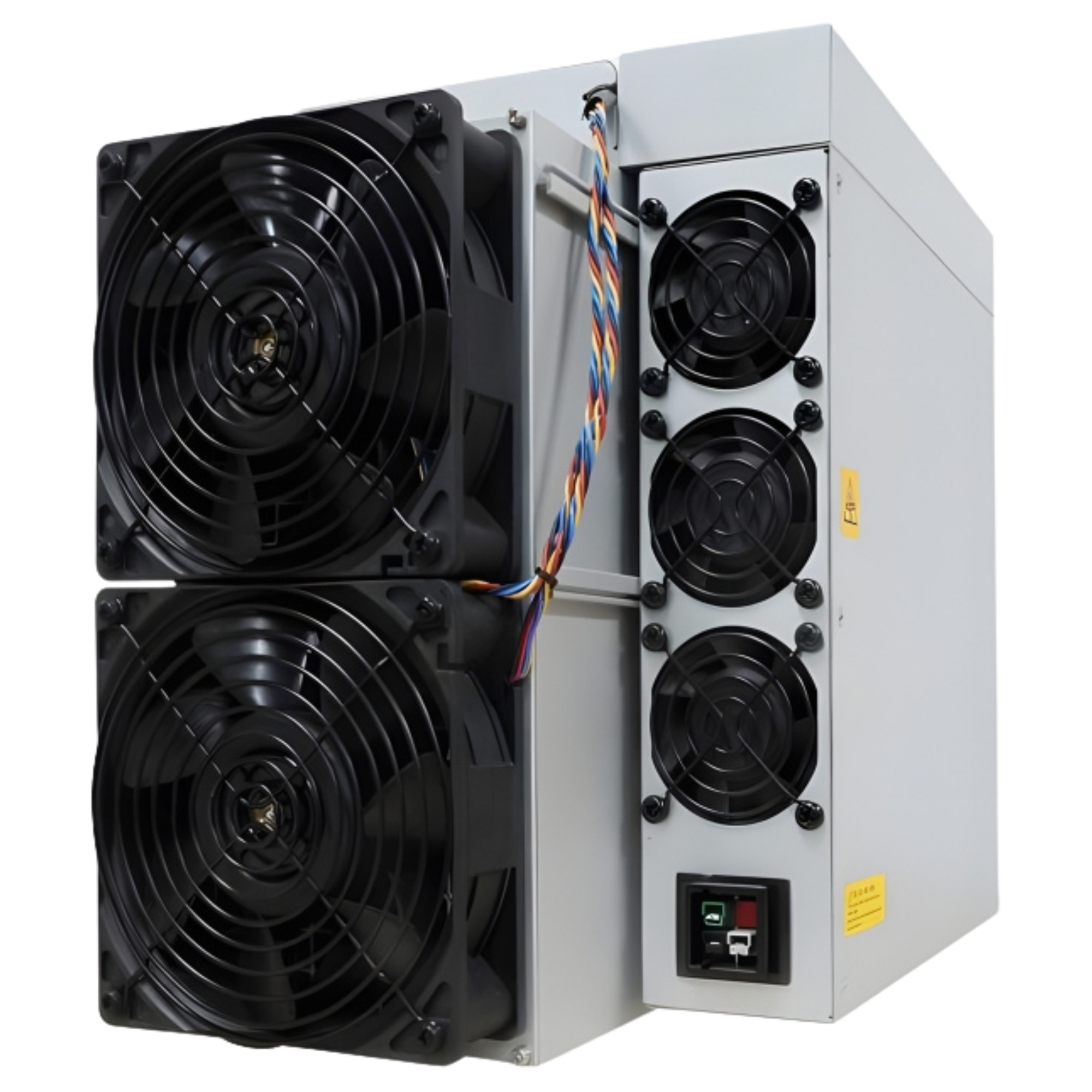 Bitmain Antminer S21 PRO (234Th)
Pick the pool and the payout method
Choose a pool that mines your coin, has servers near you and pays in a way you are comfortable with. On most pools the payout method is a setting of your account or of the stratum address you use.
Create an account or use a wallet address
Large pools want an account and a sub-account for your workers. Many smaller pools need no account at all: your wallet address is your user name.
Enter the stratum address in your miner
Open the web page of your miner, go to the pool settings and paste the stratum address of the pool, your worker name and any password. Fill all three pool slots so the miner has a fallback.
Check the dashboard
Within a few minutes your worker appears on the pool dashboard with its hashrate. Compare it with what the miner reports and watch the share of rejected shares for the first day.
Set the payout
Add your wallet address, set the minimum payout as low as the pool allows and turn on two-factor login. Then wait for the first payout to arrive before you move more machines over.
If the miner is new and not yet on your network, start with the setup first: power, cabling and finding the miner in your router. Read the mining guide
Solo mining pools and lottery miners
A solo mining pool is the opposite of everything above. It gives your miner the work, but it does not share anything. You are paid only when your own machine finds a block, and then you keep the whole reward minus a small fee.
Small open-source miners are built for exactly this, and most of them run on a public solo pool. A typical example:
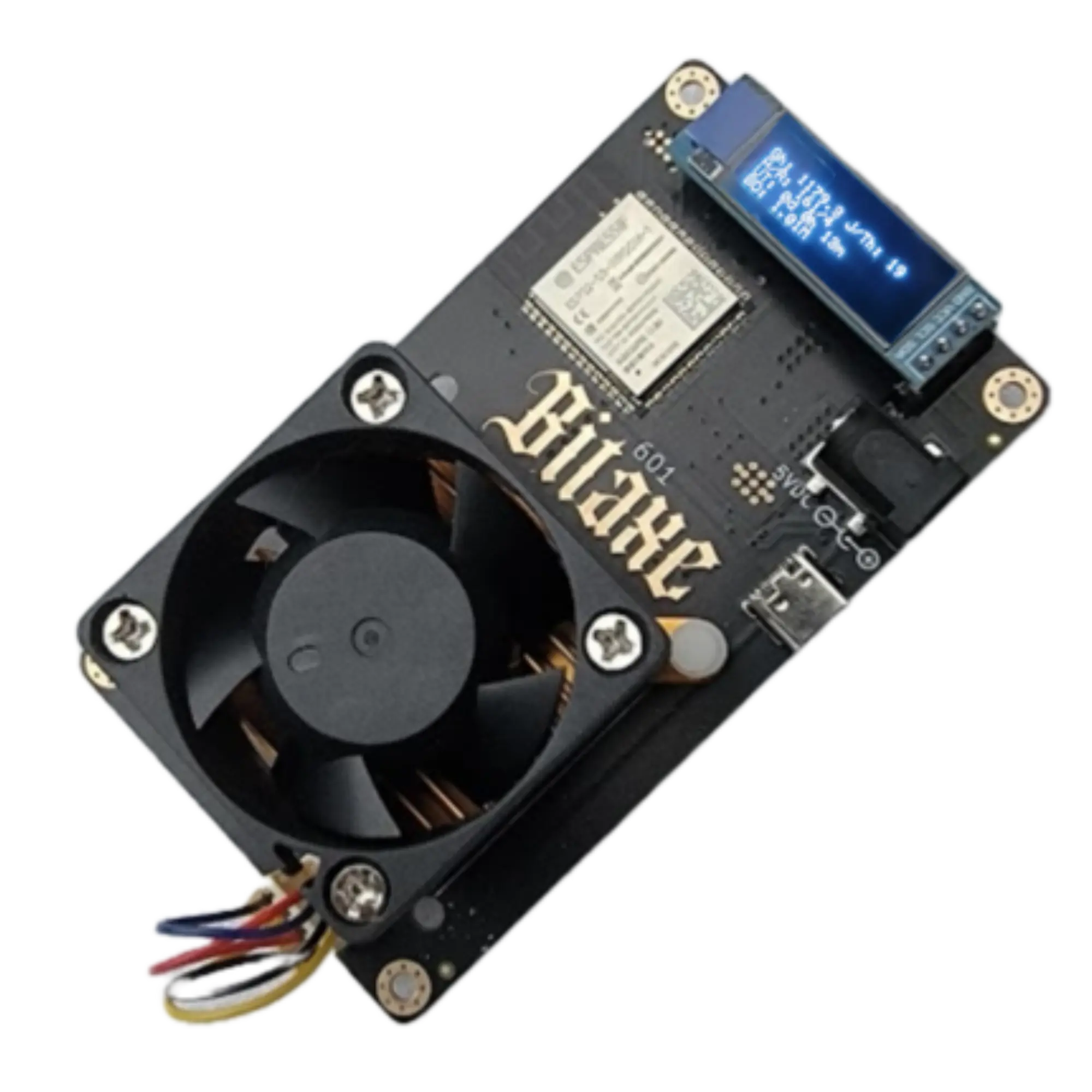 Bitaxe Gamma 601 (1.2TH)
| # | Pool | Payout Methods and Fees | Minimum Payout |
|---|---|---|---|
| 1 | Kryptex | BCH · SOLO 1.5% | 0.01 BCH |
| 2 | MolePool | BCH · SOLO 2% | — |
| 3 | Harshy | BCH · SOLO 0% | — |
| 4 | Zsolo | BCH · SOLO 1% | — |
| 5 | SoloPool | BCH · SOLO 2% | — |
| 6 | Solobch | BCH · SOLO 1.5% | — |
| 7 | HashPool Pro | BCH · SOLO 1% | — |
| 8 | 2Miners | BCH · SOLO 1.5% | 0.05 BCH |
Pools with a solo mode on Bitcoin or Bitcoin Cash. The coin is shown in front of the fee.
The block odds of every lottery miner we list, against the live network, are on the solo page, and the setup guide walks through the pool settings for Bitcoin, Bitcoin Cash, Litecoin and Dogecoin. See the solo lottery miners · Solo lottery mining setup guide
Mining pools beyond Bitcoin
Everything in this guide applies to every proof-of-work coin. Only the names change. Each algorithm has its own set of pools, and a pool that is large on Bitcoin can be absent on Kaspa or Zcash.
One thing is special on Scrypt. Litecoin and Dogecoin are merged-mined, which means the same work is valid on both chains, and a Scrypt pool pays you both coins for one set of shares. When you compare Scrypt pools, check that both coins are paid out. A typical example:
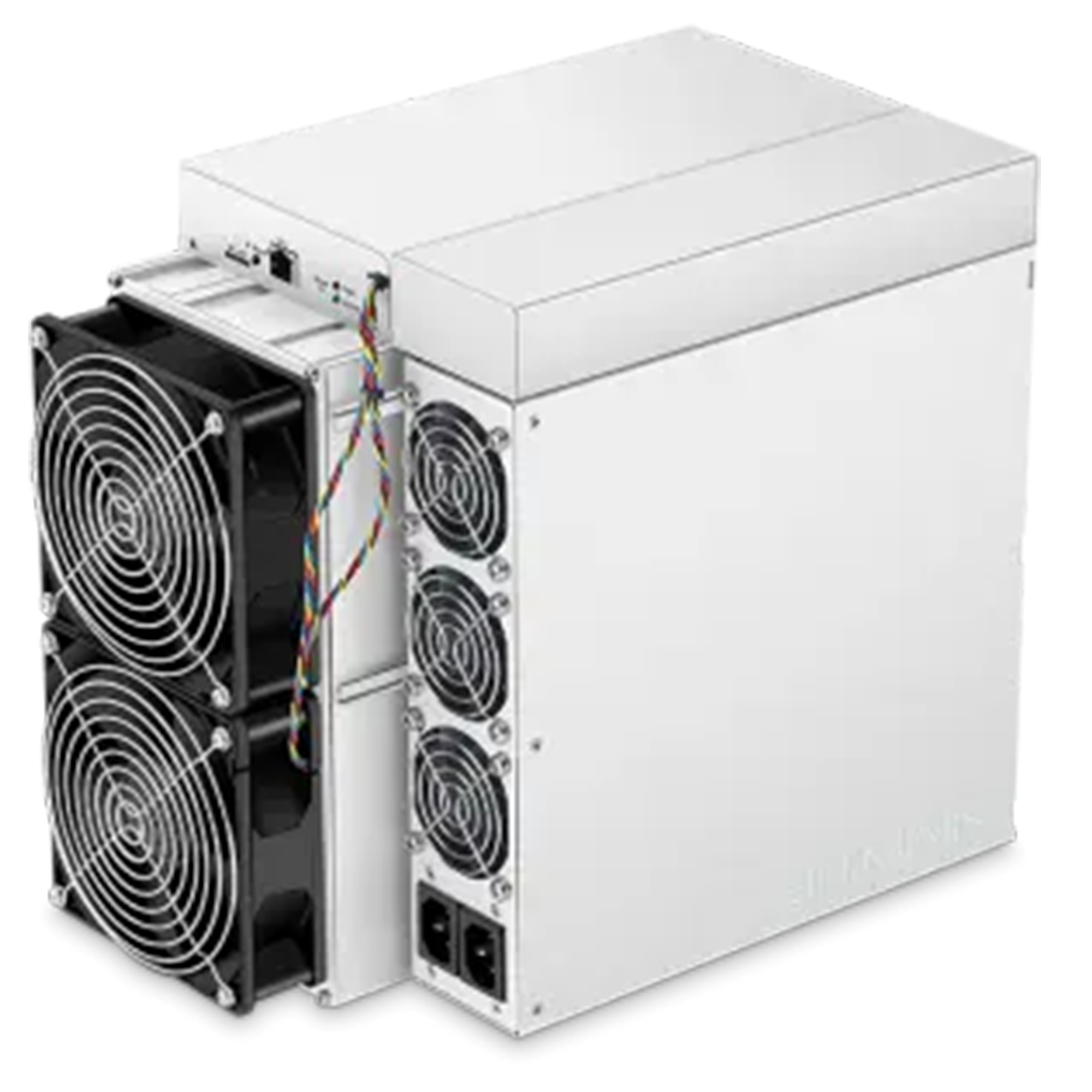 Bitmain Antminer L9 (16Gh)
If you want to go deeper, these are the next reads: how the profit calculator treats the pool fee, which listed companies run the largest mining fleets, and what a home miner can expect from a solo machine. Crypto coin profit calculator guide · Public Bitcoin mining companies · Bitcoin home mining with solo lottery miners
Bottom line
A mining pool is how a miner gets paid every day instead of once in years. Pick the payout method first, then compare fees, minimum payout and server location among the pools that offer it. The size of the pool matters least of all.
And if what you want is the chance of a whole block rather than a daily payout, that is a solo pool and a different kind of miner. Both lists are one click away.