English
 German
 Hungarian
 Dutch
Dutch
 Spanish
 French
 Italian
 Czech
Czech
 Polish
 Greek
Greek
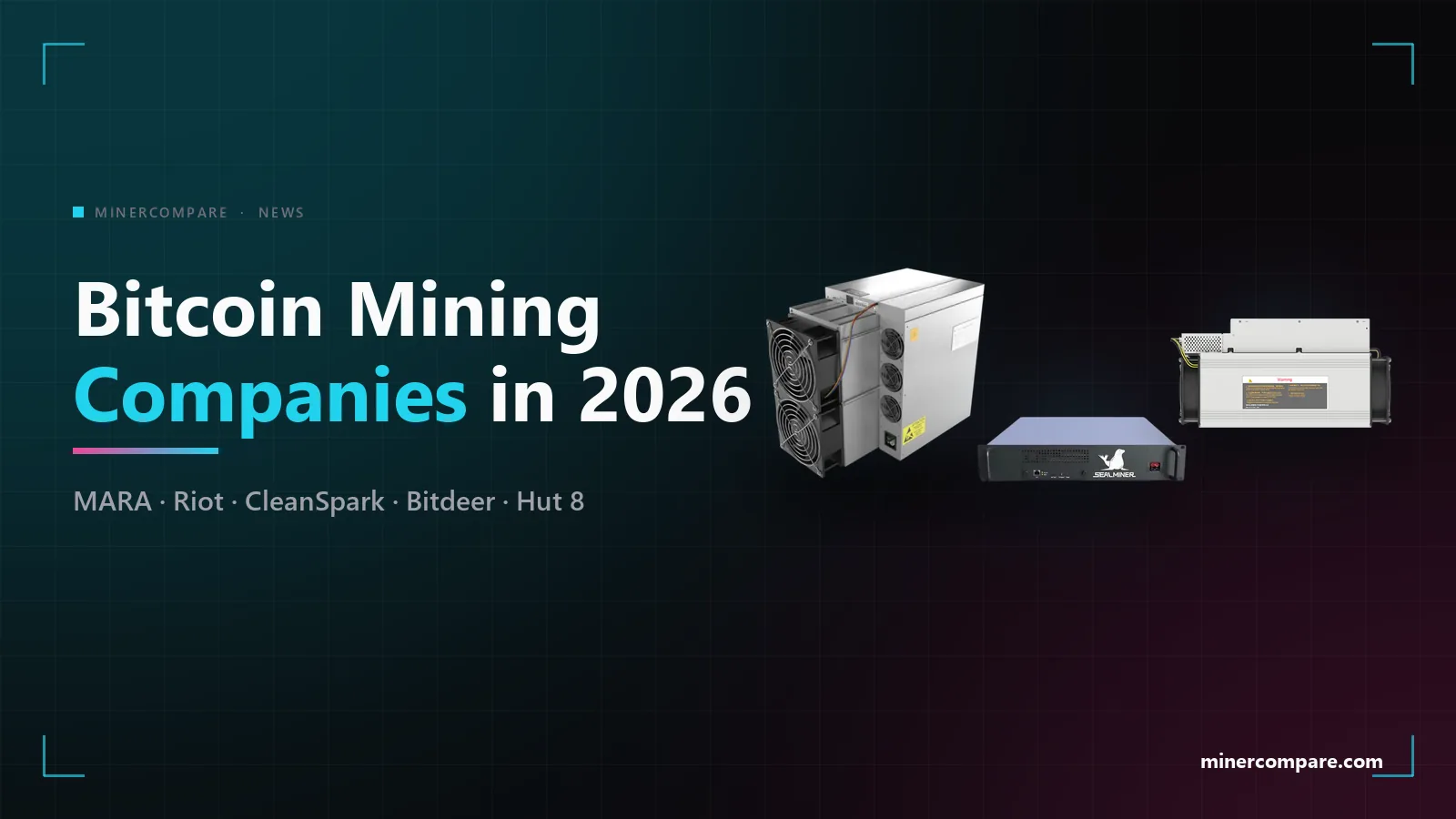
Bitcoin mining companies such as MARA, Riot Platforms and CleanSpark run the same ASIC miners you can buy, only by the hundred thousand, on industrial power contracts, with shareholders watching every quarter. This article explains what a publicly traded crypto mining company actually does, how the business works, who the top dogs are by hashrate and by bitcoin held, how their Bitcoin treasuries changed over the last years, what the 2024 halving and the AI pivot did to the sector, and what all of it means for a retail miner with one machine.
What a publicly traded crypto mining company actually does
A public crypto miner is an industrial electricity business that is paid in bitcoin. It builds or rents data centres next to cheap power, fills them with SHA-256 ASICs, points the hashrate at the Bitcoin network and earns block rewards and transaction fees in proportion to its share of the global hashrate. The coins are sold, held or borrowed against, and the results are published every quarter because the shares trade on NASDAQ or the TSX.
The names you see most are MARA Holdings, Riot Platforms, CleanSpark, Core Scientific, Hut 8, Cipher Mining, Bitfarms, IREN, TeraWulf, Bitdeer and HIVE Digital. Almost all of them mine Bitcoin only; the few that mined Ethereum on GPUs left that business when Ethereum moved to proof of stake. Several of them also build the machines or host other people's machines, and a growing number lease their buildings and power to AI customers instead of mining at all.
They are not mining pools. A pool coordinates hashrate from many owners and splits the rewards; a mining company owns the hardware and is one of the pool's customers, or runs a pool of its own. Pools are a separate topic with their own guide. Crypto Mining Pools Explained
How the bitcoin mining business works
Three numbers describe a mining company: hashrate, fleet efficiency and power price. Hashrate, measured in exahash per second, is how much of the network the company owns and therefore what share of each day's block rewards it can expect. Fleet efficiency, measured in joules per terahash, is how much electricity that hashrate costs to run. The power price, in cents per kilowatt-hour, turns that electricity into dollars. Everything else in a quarterly report follows from these three.
Hashrate: the share of the network
The Bitcoin network pays out a fixed number of coins per day regardless of how many machines compete for them, so a company's income is its hashrate divided by the global hashrate. That is why every public miner reports hashrate growth first: standing still while the network grows is a pay cut. The biggest fleets today sit between forty and eighty exahash each, which is a few percent of the network per company.
Fleet efficiency: joules per terahash
A newer ASIC does the same hashing with less electricity, so the average efficiency of the fleet decides how much of the revenue survives the power bill. After the 2024 halving, companies that had already moved to the latest Antminer S21, Whatsminer M60 and SealMiner generations kept their margins; companies on S19-class machines did not. Fleet upgrades are the largest capital expense in the business, and the reason miners order tens of thousands of machines at a time.
Power contracts, hosting and curtailment
Public miners buy electricity under long-term contracts at industrial sites in Texas, Georgia, Paraguay, Canada and Scandinavia, often at a fraction of a household rate. Some agree to switch off when the grid is stressed and are paid for the power they did not use, which in a hot Texas summer can be worth more than mining. Many also host machines for other owners for a fee per kilowatt-hour, which smooths their income when the bitcoin price falls.
Secure cheap power
A long-term supply contract or a site next to stranded energy is the foundation; without it no fleet is profitable at scale.
Build and fill the data centre
Transformers, cooling and racks, then tens of thousands of ASICs bought directly from Bitmain, MicroBT, Canaan or Bitdeer.
Convert hashrate into bitcoin
The fleet mines through a pool or the company's own pool; the daily output follows the share of the network hashrate.
Sell, hold or lend the coins
Each company decides how much production to sell for operating cash, how much to keep as treasury, and whether to borrow against it.
Upgrade or repurpose
Old machines are replaced with efficient ones, or the site is converted to AI and high-performance computing where that pays more per megawatt.
Who the top dogs are
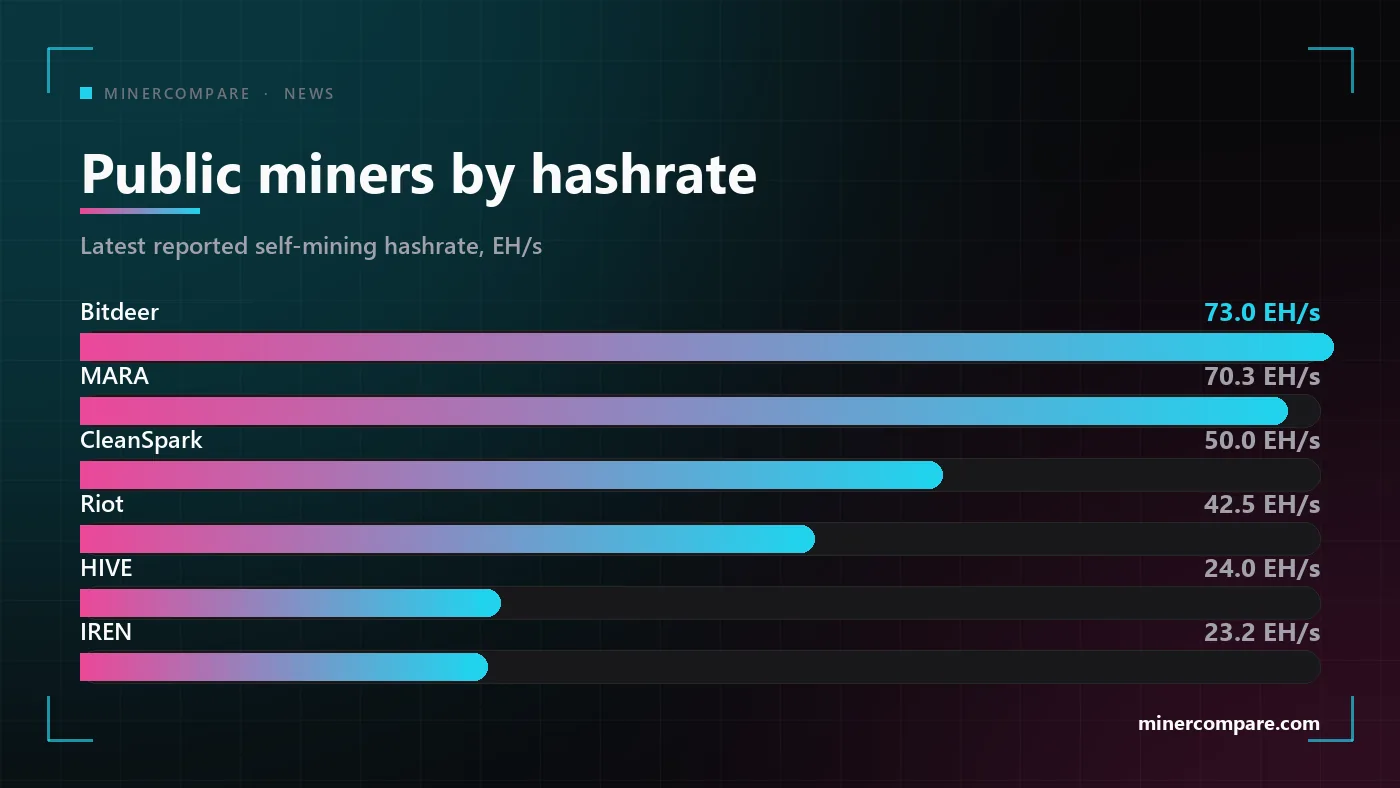
Two companies lead on hashrate and one leads on bitcoin held, and they are not the same. Bitdeer, which also builds the SealMiner machines, and MARA Holdings run the two largest fleets. MARA holds by far the largest bitcoin treasury of any miner, with Hut 8, CleanSpark and Riot behind it. The table shows the latest figure each company reported and the month it refers to; the companies report on different schedules, so the dates differ.
| Company | Hashrate (EH/s) | Reported | BTC held | Reported |
|---|---|---|---|---|
| Bitdeer (BTDR) | 73.0 | 2026-06 | 150 | 2026-06 |
| MARA Holdings (MARA) | 70.3 | 2026-06 | 35,577 | 2026-06 |
| CleanSpark (CLSK) | 50.0 | 2026-08 | 13,703 | 2026-08 |
| Riot Platforms (RIOT) | 42.5 | 2026-03 | 11,380 | 2026-06 |
| HIVE Digital (HIVE) | 24.0 | 2026-06 | 190 | 2026-06 |
| IREN (IREN) | 23.2 | 2026-06 | 0 | 2026-06 |
| Hut 8 (HUT) | — | — | 17,316 | 2026-06 |
| Core Scientific (CORZ) | 15.7 | 2026-10 | — | — |
| Cipher Mining (CIFR) | 11.6 | 2026-06 | 646 | 2026-06 |
Hashrate is the operating or energized self-mining figure each company reported for that month; hosted machines are excluded where the company separates them. A dash means the company did not report that figure in the period we checked. Sources are listed at the end of the article.
A few companies are missing from the table on purpose. Bitfarms announced in late 2025 that it would wind down bitcoin mining through 2026 and 2027 and convert its sites to AI computing. TeraWulf now earns most of its revenue from high-performance computing hosting and reports a small mining fleet. Core Scientific keeps a shrinking fleet while it builds out colocation, and expects only one or two mining sites by the end of the year.
How their Bitcoin treasuries changed
The treasury question split the sector into holders and sellers, and the line moved twice. Until 2022 most miners sold their production as they went, because they needed the cash and the machines were cheap. After the 2022 crash and the bankruptcies of Core Scientific and several hosting providers, survivors with strong balance sheets started to keep their coins, and through 2024 the fashion became to hold everything.
MARA turned itself into a Bitcoin treasury company. In 2024 it stopped selling production, raised money through convertible notes and bought bitcoin on the open market, the same playbook Strategy used. By the end of 2025 it held more bitcoin than any other miner by a wide margin. In 2026 it sold part of the stack to fund energy and AI projects, but it still holds more than the next three public miners combined.
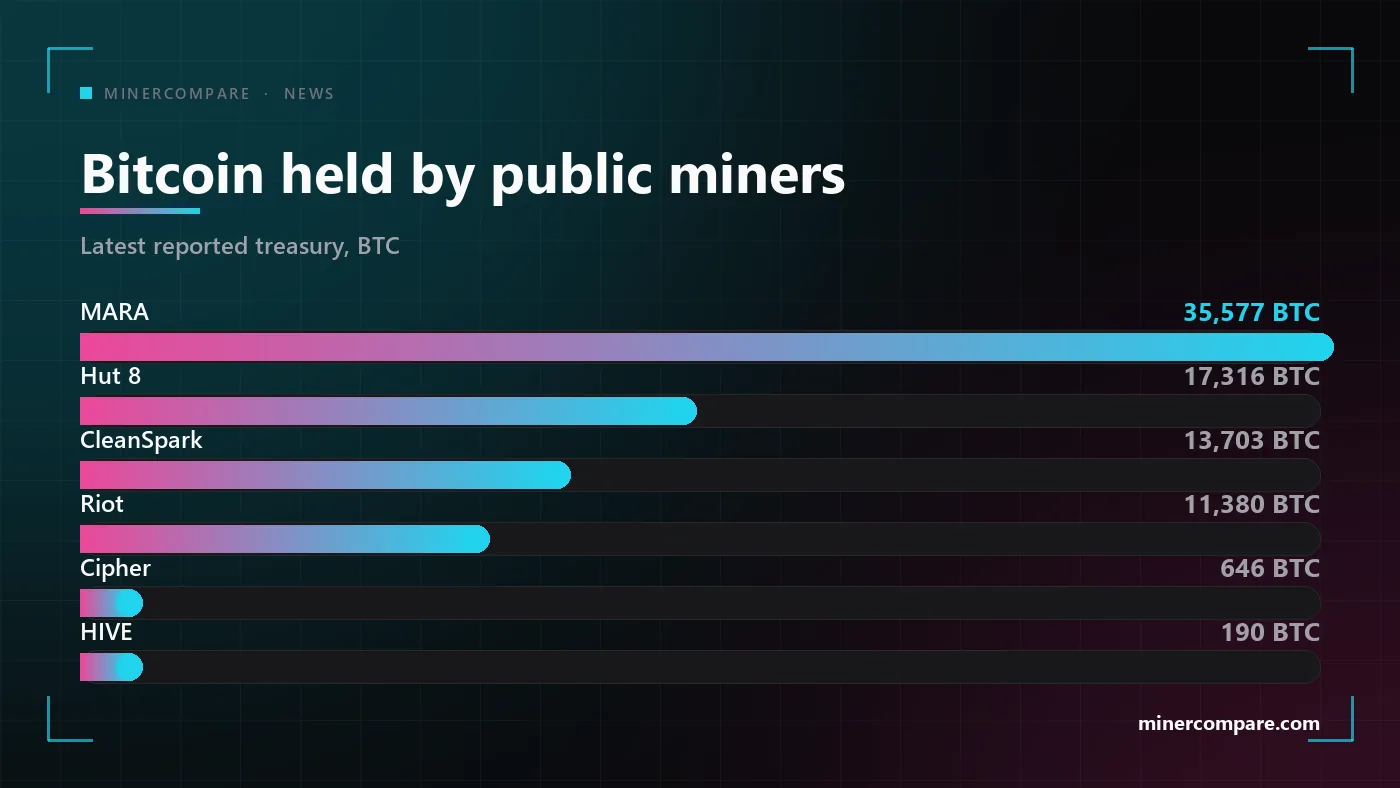
In 2025 and 2026 most of the others went back to selling. Riot sold more coins than it mined in early 2026 to pay for its data-centre pivot and pledged part of the rest as loan collateral. CleanSpark sells a share of monthly production and uses options strategies around the rest. IREN sold its entire stack and Bitdeer keeps only a token amount, both preferring to finance growth from the coins rather than from shareholders. Hut 8 is the exception among the mid-sized miners and kept adding to its reserve.
A miner that holds is betting the coin will be worth more than the data centre it could have built with it; a miner that sells is betting the opposite. Both bets are visible in every quarterly report.
What changed: halving, consolidation and the AI pivot
The April 2024 halving cut the subsidy in half while the network kept growing. Revenue per unit of hashrate fell to the lowest level in Bitcoin's history and stayed there, because new machines kept arriving faster than the price rose. The companies that had locked in cheap power and ordered the latest generation early came through; the rest sold sites, merged or changed business.
Consolidation followed. CleanSpark bought GRIID and a string of Georgia and Tennessee sites, Riot bought Block Mining and built a stake in Bitfarms, Bitfarms bought Stronghold, Hut 8 merged with US Bitcoin Corp and spun its mining into American Bitcoin, and Bitdeer scaled from a hosting company into the largest self-miner by building its own chips. The list of public miners is shorter than it was in 2022, and each name on it is bigger.
The AI pivot is the largest change of all. A bitcoin mine and an AI data centre need the same scarce things: a large grid connection, land, cooling and permits. Core Scientific signed multi-year hosting deals with CoreWeave and is winding mining down; IREN and Cipher are retiring their fleets to convert sites; TeraWulf earns most of its revenue from HPC hosting; Riot signed a twenty-year lease of part of its Rockdale campus to an AI lab. Industry analysts estimate that a tenth of the listed sector's hashrate is scheduled to leave mining for AI.
The effect on the network is smaller than it sounds. The public companies together run well under half of the global hashrate; the rest sits with private miners in the United States, Central Asia, Russia, Latin America and Africa, who report nothing and keep growing. Bitcoin's difficulty has kept rising through the whole pivot, and the coin page shows where it stands today. Bitcoin mining calculator and network stats
What this means for a retail miner
You can buy the exact machine MARA runs; you cannot buy MARA's electricity price. The public fleets are built from the same models on our ASIC list: the Antminer S21 and S23 families from Bitmain, the Whatsminer M60 series from MicroBT, the Avalon A15 series from Canaan and Bitdeer's own SealMiner A2. Hashrate and power draw are identical whether the machine sits in a Texas warehouse or your garage. The profit column is not, because an industrial contract can cost a fraction of what a household pays per kilowatt-hour.
Set your own electricity rate in the header and the ASIC table recalculates every machine at your price; that is the honest comparison between you and a listed miner. The flagship machines the companies are deploying this year are these:
-
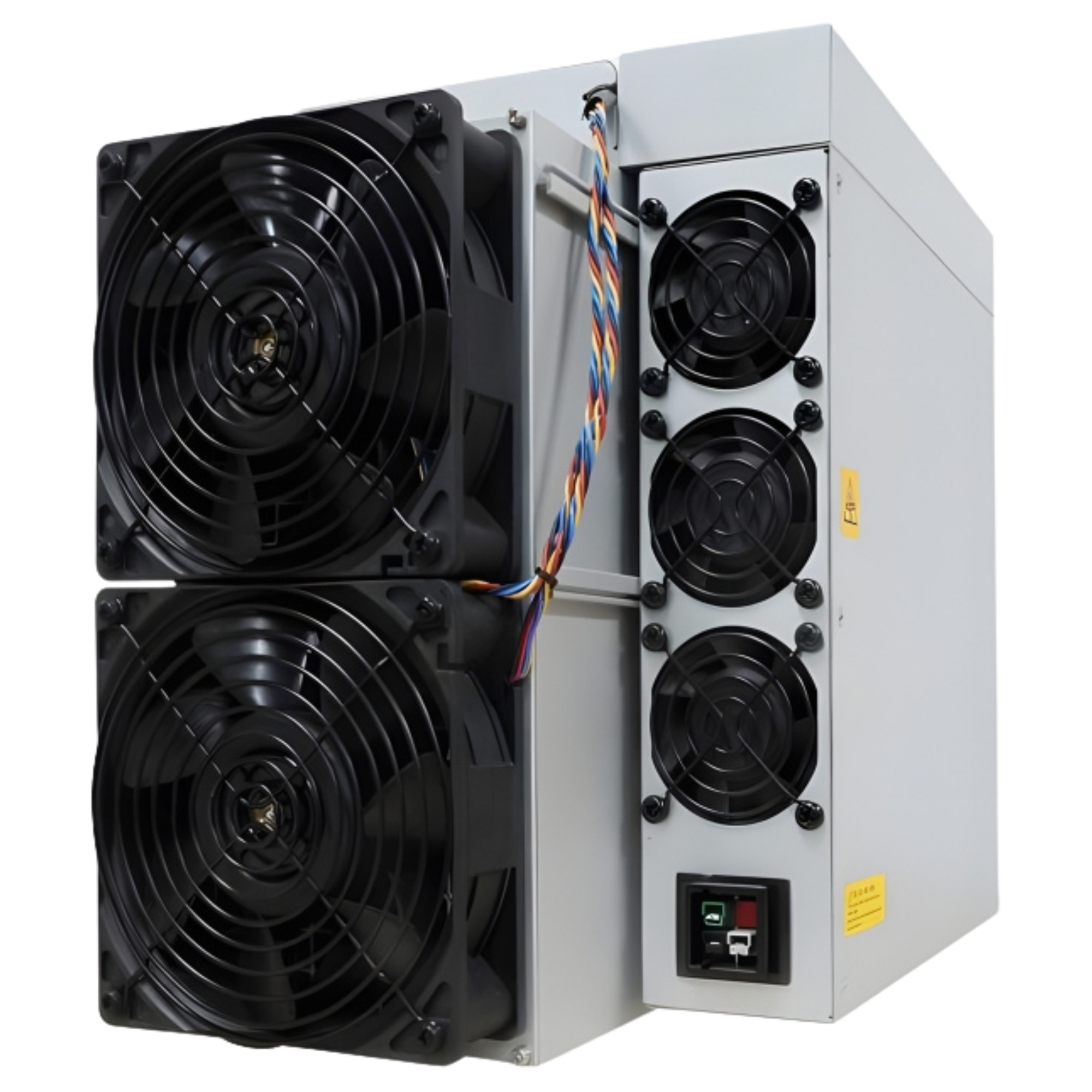 Antminer S21 XP (270Th)
— the air-cooled workhorse of the 2025 fleet upgrades.
Antminer S21 XP (270Th)
— the air-cooled workhorse of the 2025 fleet upgrades. -
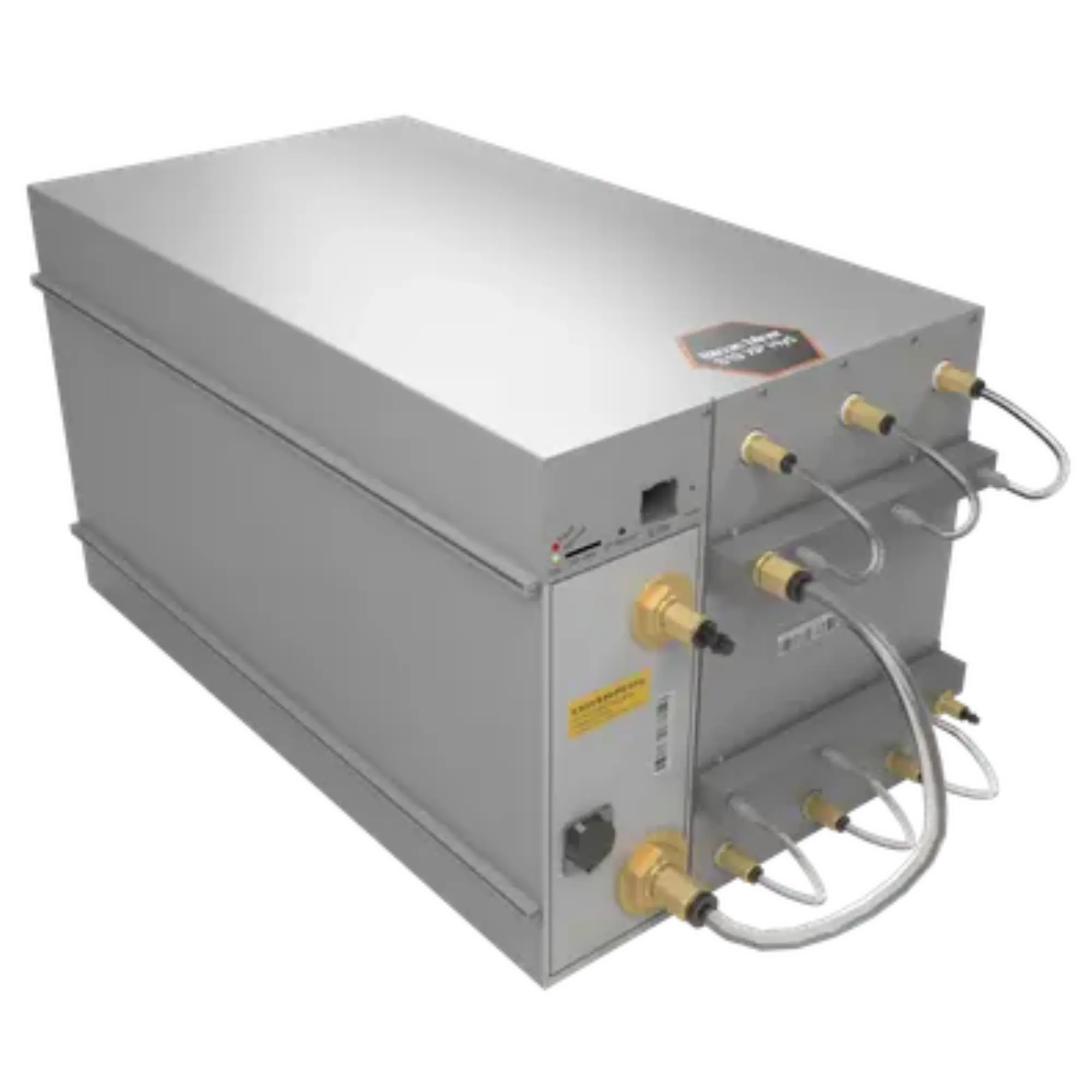 Bitmain Antminer S23 Hydro (580TH)
— the current Bitmain hydro flagship that the large sites are ordering now.
Bitmain Antminer S23 Hydro (580TH)
— the current Bitmain hydro flagship that the large sites are ordering now. -
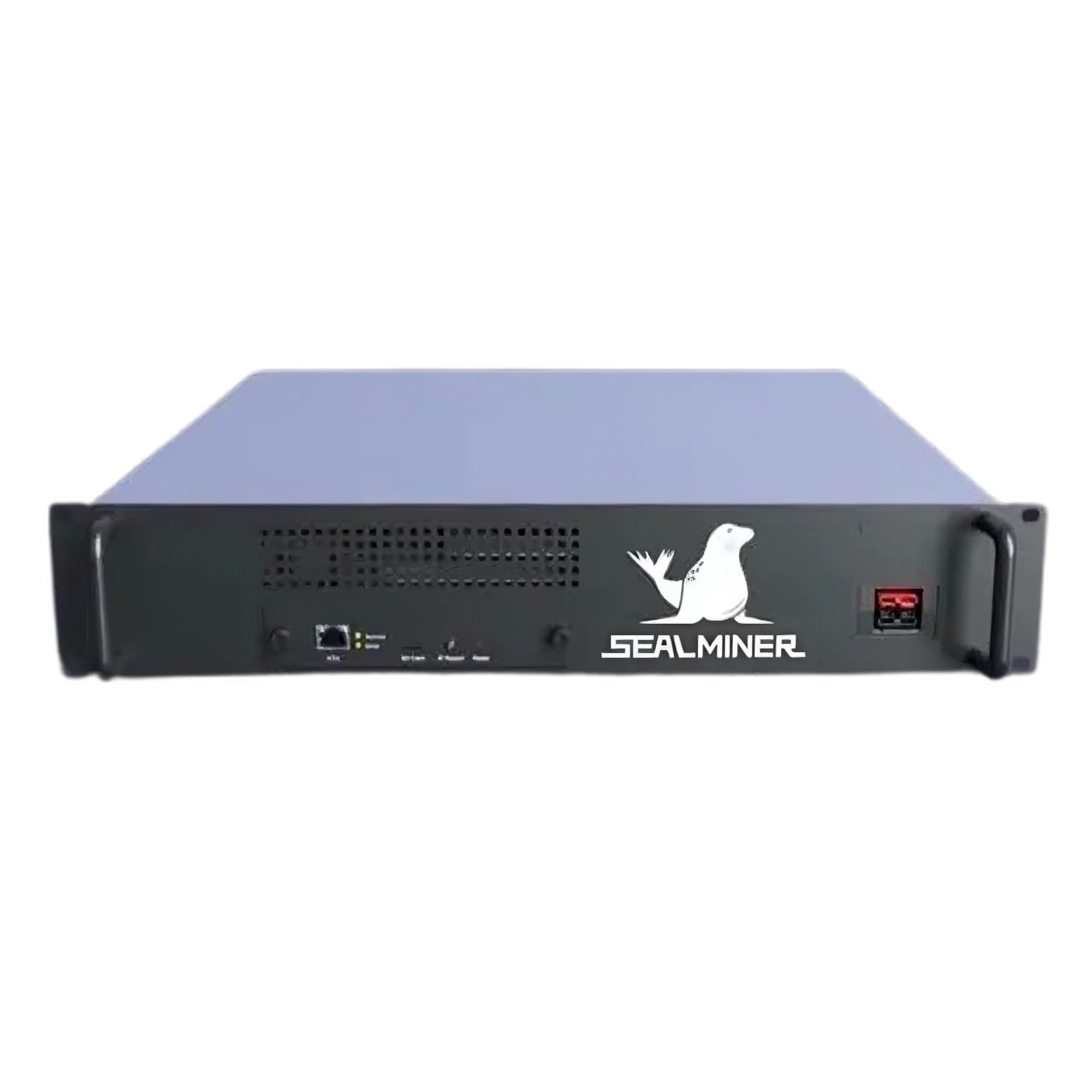 Bitdeer SealMiner A2 Pro Hydro (500TH)
— Bitdeer's own chip, the machine behind its climb to the largest fleet.
Bitdeer SealMiner A2 Pro Hydro (500TH)
— Bitdeer's own chip, the machine behind its climb to the largest fleet. -
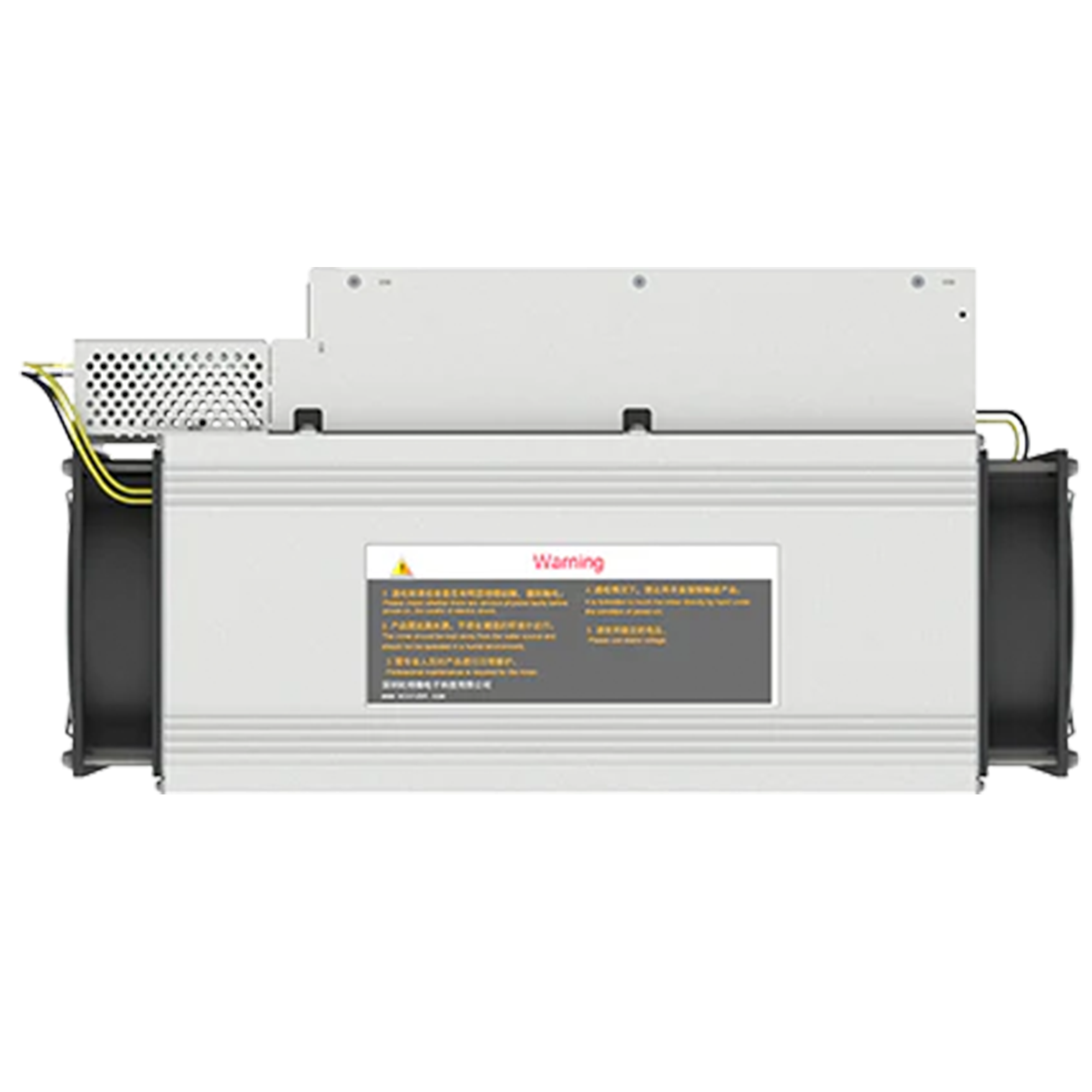 MicroBT WhatsMiner M60S Plus Plus (226Th)
— the MicroBT alternative most hosting sites run alongside Antminers.
MicroBT WhatsMiner M60S Plus Plus (226Th)
— the MicroBT alternative most hosting sites run alongside Antminers.
Every Bitcoin ASIC at your electricity rate and currency, with hashrate, power draw and the daily figure. This is the list the public fleets are built from.
ASIC miners ranked by profitFor the other side of the hardware question, our GPU article ranks the graphics cards that still mine at a profit, and the buying guide walks through what to check before buying any ASIC, new or used. Best GPU for mining crypto in 2026 · ASIC miner buying guide · Solo lottery miners and their block odds
Bottom line
The public miners are power companies first, hardware companies second and bitcoin holders third. Bitdeer and MARA lead on hashrate, MARA leads on bitcoin held, and almost everyone except MARA and Hut 8 is now selling production to pay for the shift toward AI data centres. The halving made cheap power and efficient fleets the whole game, and the companies that had both are the ones left on the list.
For a retail miner the lesson is simple: the machine is the same, the electricity is not. Run the ASIC table at your real rate before you buy anything, and if the number is red, look at the solo miners instead of trying to beat an industrial power contract from a garage.
Sources
- MARA Holdings — 2026 Q2
- Riot Platforms — 2026 Q1 · 2026 Q2
- CleanSpark — 2026-08
- Bitdeer — 2026 Q2
- Hut 8 — 10-Q, 2026 Q2
- CoinShares Bitcoin Mining Report — 2026 Q2 (IREN, HIVE, Cipher)
- ziven.io — 2026-10 (Core Scientific)