English
 German
 Hungarian
 Dutch
Dutch
 Spanish
 French
 Italian
 Czech
Czech
 Polish
 Greek
Greek
Compare MicroBT WhatsMiner M7DS vs Bitdeer SealMiner A4 Ultra Hydro
Detailed comparison between MicroBT WhatsMiner M7DS and Bitdeer Sea…lMiner A4 Ultra Hydro. Compare hashrate, power consumption, profitability, and technical specifications.
Read more Read less
Detailed comparison between MicroBT WhatsMiner M7DS and Bitdeer SealMiner A4 Ultra Hydro. Compare hashrate, power consumption, profitability, and technical specifications.
Quick comparison: MicroBT WhatsMiner M7DS vs Bitdeer SealMiner A4 Ultra Hydro. Daily profits: $9.31 vs $19.07.
Miner Comparison Results
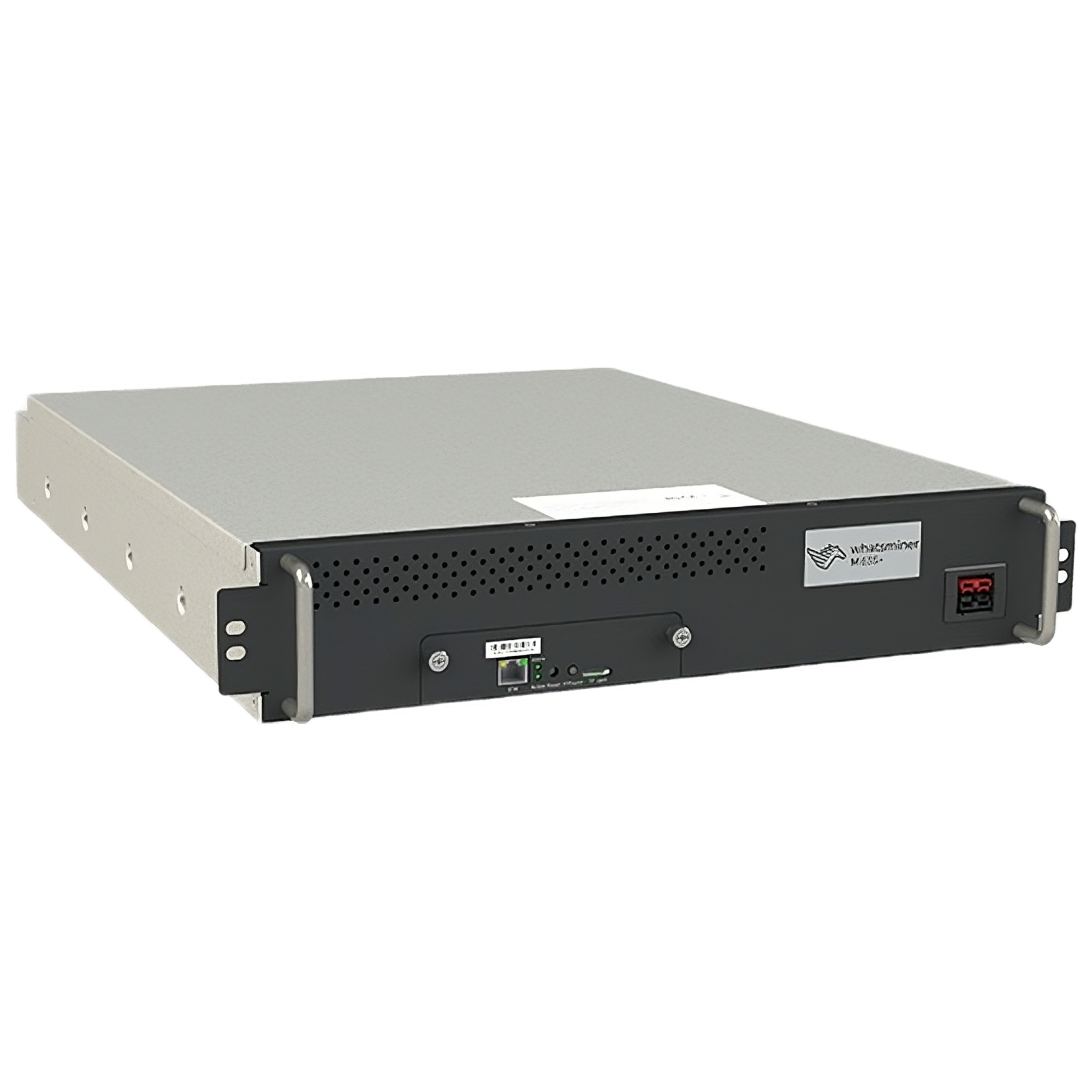
MicroBT WhatsMiner M7DS
SHA-256 • March 2026
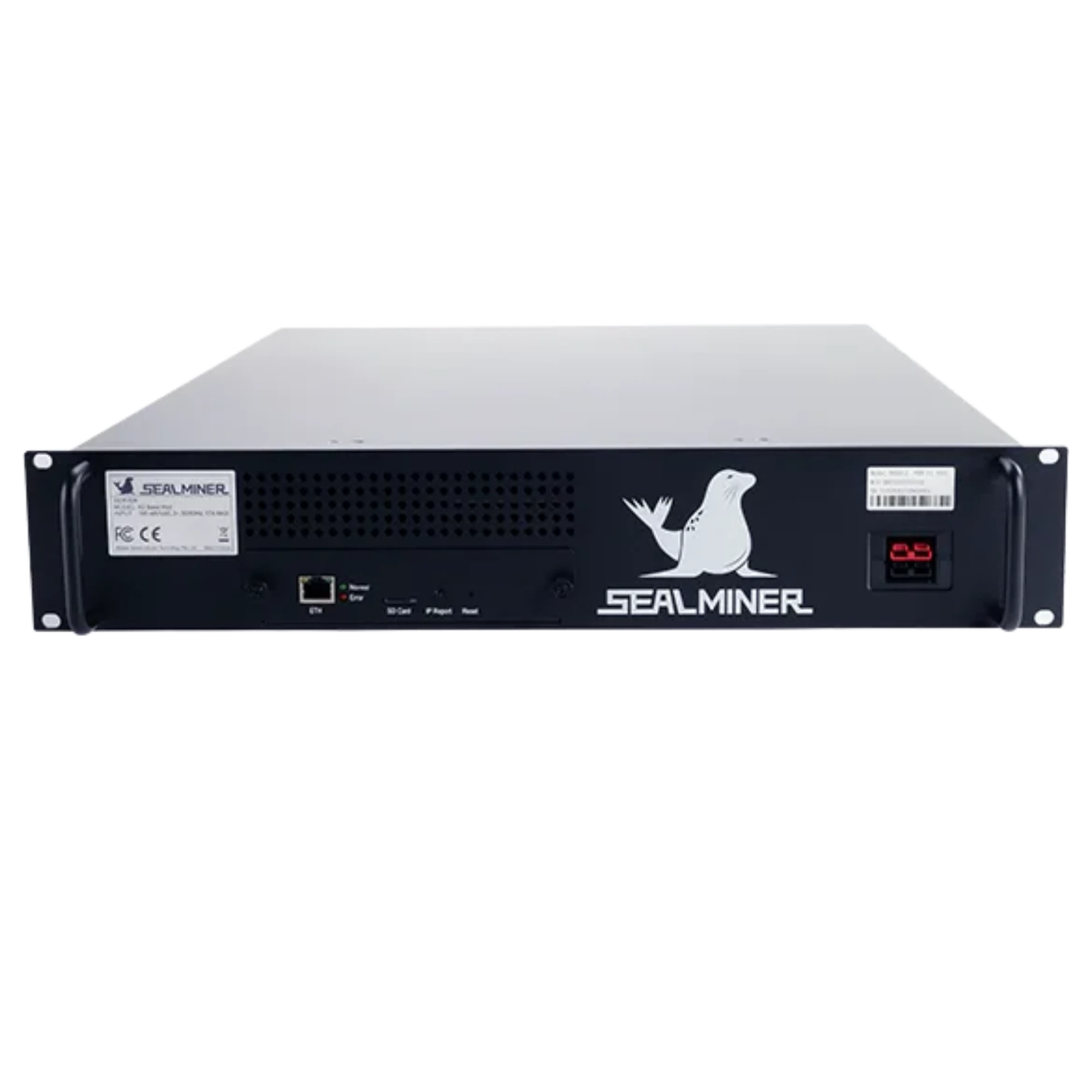
Bitdeer SealMiner A4 Ultra Hydro
SHA-256 • May 2026
Profitability Comparison
Daily Profit
Monthly Profit
Yearly Profit
Technical Specifications
MicroBT WhatsMiner M7DS
Bitdeer SealMiner A4 Ultra Hydro
Profit Analysis
A detailed comparison of the daily, monthly, and yearly profitability between the two selected ASIC miners, highlighting which offers the better return on investment.
The Bitdeer SealMiner A4 Ultra Hydro delivers superior daily profit of $19.07 versus $9.31 from the MicroBT WhatsMiner M7DS. With current electricity rates, the Bitdeer SealMiner A4 Ultra Hydro provides better return on investment through more efficient power consumption relative to its mining output. Power consumption analysis reveals the MicroBT WhatsMiner M7DS requires 9200W compared to 8372W for the Bitdeer SealMiner A4 Ultra Hydro. This 828W difference translates to approximately $1.59 additional daily electricity costs, which significantly impacts long-term profitability especially during periods of lower mining rewards.
Frequently Asked Questions
Everything you need to know
Hardware Comparison
A side-by-side breakdown of key hardware specifications to evaluate performance, efficiency, and overall value of the two selected ASIC miners.
Release timeline shows the MicroBT WhatsMiner M7DS launched in March 2026 while the Bitdeer SealMiner A4 Ultra Hydro entered the market in May 2026. Newer miners typically incorporate improved chip architecture and manufacturing processes, leading to better efficiency and performance characteristics. Physical dimensions comparison reveals the MicroBT WhatsMiner M7DS measures 86 x 483 x 663mm while the Bitdeer SealMiner A4 Ultra Hydro has dimensions of 482 x 665 x 86mm. Size considerations directly impact rack density, shipping costs, and facility space requirements for mining operations. Weight specifications show the MicroBT WhatsMiner M7DS at 29500g compared to 20.5 for the Bitdeer SealMiner A4 Ultra Hydro. Heavier units often indicate more robust construction and heat dissipation components but may require stronger mounting solutions and increase shipping expenses. Acoustic performance differs with the MicroBT WhatsMiner M7DS operating at 75db versus 50db for the Bitdeer SealMiner A4 Ultra Hydro. Noise levels significantly impact placement options, with quieter units suitable for residential or office environments while louder miners require dedicated facilities with proper sound isolation. Humidity specifications indicate the MicroBT WhatsMiner M7DS operates within 5 - 95 % conditions compared to 5 - 95 % for the Bitdeer SealMiner A4 Ultra Hydro. Better humidity tolerance enables deployment in more diverse geographic locations and reduces the need for expensive climate control systems in mining facilities.
Why Choose Our ASIC Miner Comparison Platform
Get the most accurate, transparent, and data-driven insights to choose the best mining hardware for your goals.
Real-Time Market Data
Our system pulls live pricing and profitability metrics to keep comparisons accurate and relevant.
Transparent Performance Metrics
Compare hashrate, efficiency, and ROI side-by-side without hidden data or biased rankings.
Clean & Intuitive Interface
Our comparison dashboard is designed for clarity — quickly find what matters most without the clutter.
Expert-Backed Analysis
Each comparison is verified by experienced mining professionals to help you make the most profitable choice.
Built for Miners, by Miners
Our mission is to simplify ASIC miner research with real data, transparent comparisons, and professional insights — helping you save time, reduce risk, and maximize profitability.
Compare ASIC Miners
Discover why our platform is the most reliable and transparent way to compare ASIC miners for maximum profitability.
Choosing our ASIC miner comparison platform gives you a clear advantage in navigating the complex and fast-changing world of crypto mining. We provide the most accurate, data-driven insights sourced directly from manufacturers and real-time market conditions, ensuring you always have access to up-to-date profitability, efficiency, and cost metrics. Our comparison tools let you easily evaluate hashrate, power consumption, ROI, and break-even periods, helping you identify which miner best fits your budget and long-term goals. Whether you’re a first-time buyer or an experienced investor managing a large-scale operation, our transparent and easy-to-use platform helps you make smarter, faster, and more profitable decisions.
Key Insights
Quick highlights comparing the performance and features of the selected ASIC miners.
The Bitdeer SealMiner A4 Ultra Hydro generates $9.76 more daily profit than the MicroBT WhatsMiner M7DS.
The Bitdeer SealMiner A4 Ultra Hydro generates $8.17 more daily income than the MicroBT WhatsMiner M7DS.
The Bitdeer SealMiner A4 Ultra Hydro consumes 9.0% less power, making it more energy efficient.
Both miners use the SHA-256 algorithm, targeting the same cryptocurrencies.
Both miners use Hydro cooling systems.
The Bitdeer SealMiner A4 Ultra Hydro is quieter, with a noise level of 50db.
The Bitdeer SealMiner A4 Ultra Hydro is 99.9% lighter than the other miner.